

Creative Current
The
Design can be art.
Design can be aesthetics.
Design can be so simple, that's why it's so complicated.
-Paul Rand
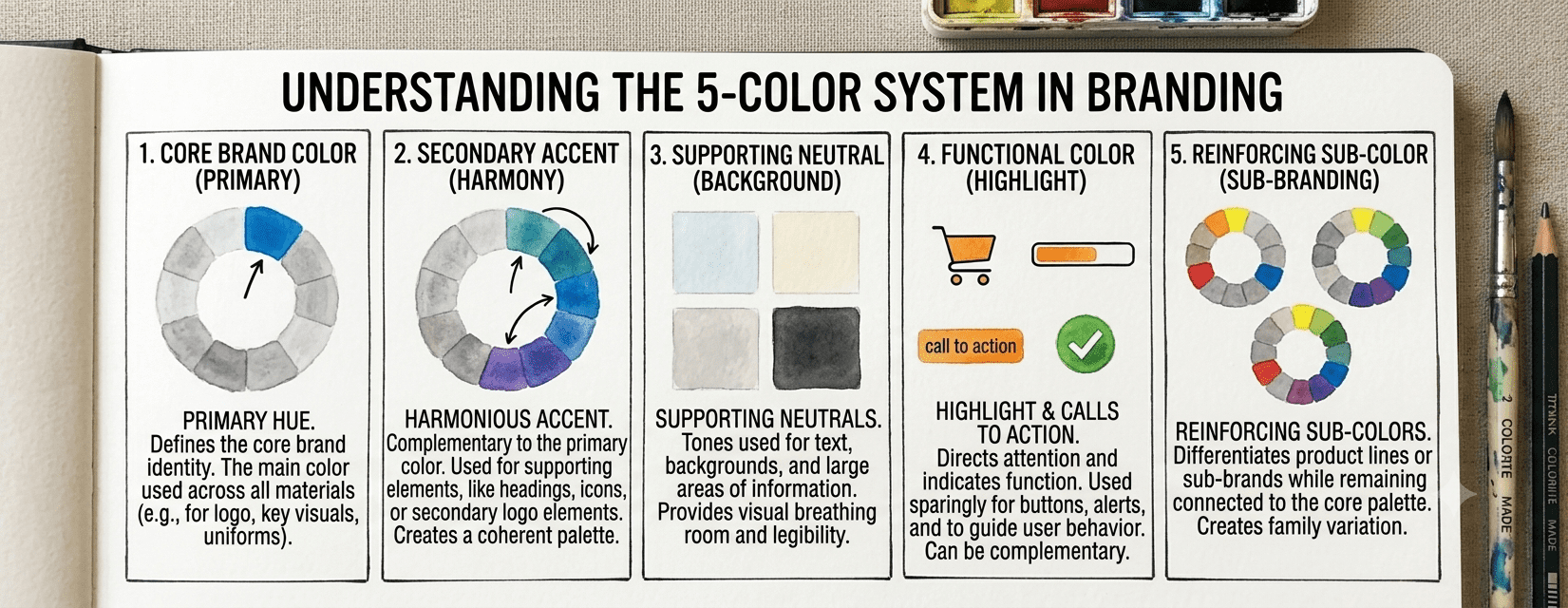
The biggest mistake people make is choosing colors they personally love. These colors aren’t a reflection of your taste. They’re a communication tool for your audience. So start by defining your brand personality. What are the three to five words that describe how you want people to feel when they interact with your brand? Bold? Trustworthy? Playful? Premium? Warm? Approachable? Those words are your color brief.
July 8, 2026
The biggest mistake people make is choosing colors they personally love. These colors aren’t a reflection of your taste. They’re a communication tool for your audience. So start by defining your brand personality. What are the three to five words that describe how you want people to feel when they interact with your brand? Bold? Trustworthy? Playful? Premium? Warm? Approachable? Those words are your color brief.
July 8, 2026
The biggest mistake people make is choosing colors they personally love. These colors aren’t a reflection of your taste. They’re a communication tool for your audience. So start by defining your brand personality. What are the three to five words that describe how you want people to feel when they interact with your brand? Bold? Trustworthy? Playful? Premium? Warm? Approachable? Those words are your color brief.
July 8, 2026
The biggest mistake people make is choosing colors they personally love. These colors aren’t a reflection of your taste. They’re a communication tool for your audience. So start by defining your brand personality. What are the three to five words that describe how you want people to feel when they interact with your brand? Bold? Trustworthy? Playful? Premium? Warm? Approachable? Those words are your color brief.
July 8, 2026
The biggest mistake people make is choosing colors they personally love. These colors aren’t a reflection of your taste. They’re a communication tool for your audience. So start by defining your brand personality. What are the three to five words that describe how you want people to feel when they interact with your brand? Bold? Trustworthy? Playful? Premium? Warm? Approachable? Those words are your color brief.
July 8, 2026
The biggest mistake people make is choosing colors they personally love. These colors aren’t a reflection of your taste. They’re a communication tool for your audience. So start by defining your brand personality. What are the three to five words that describe how you want people to feel when they interact with your brand? Bold? Trustworthy? Playful? Premium? Warm? Approachable? Those words are your color brief.
July 8, 2026
The biggest mistake people make is choosing colors they personally love. These colors aren’t a reflection of your taste. They’re a communication tool for your audience. So start by defining your brand personality. What are the three to five words that describe how you want people to feel when they interact with your brand? Bold? Trustworthy? Playful? Premium? Warm? Approachable? Those words are your color brief.
July 8, 2026
The biggest mistake people make is choosing colors they personally love. These colors aren’t a reflection of your taste. They’re a communication tool for your audience. So start by defining your brand personality. What are the three to five words that describe how you want people to feel when they interact with your brand? Bold? Trustworthy? Playful? Premium? Warm? Approachable? Those words are your color brief.
July 8, 2026
The biggest mistake people make is choosing colors they personally love. These colors aren’t a reflection of your taste. They’re a communication tool for your audience. So start by defining your brand personality. What are the three to five words that describe how you want people to feel when they interact with your brand? Bold? Trustworthy? Playful? Premium? Warm? Approachable? Those words are your color brief.
July 8, 2026
The biggest mistake people make is choosing colors they personally love. These colors aren’t a reflection of your taste. They’re a communication tool for your audience. So start by defining your brand personality. What are the three to five words that describe how you want people to feel when they interact with your brand? Bold? Trustworthy? Playful? Premium? Warm? Approachable? Those words are your color brief.
July 8, 2026
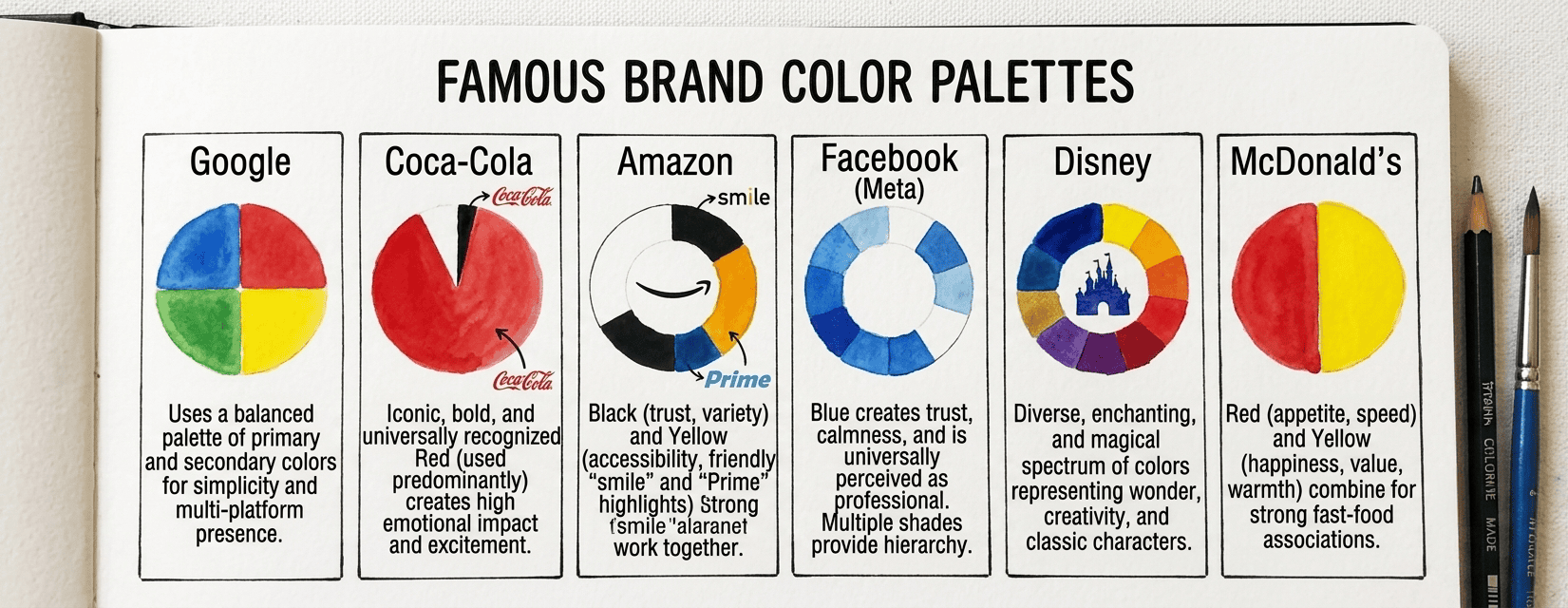
Let’s take a look at what colors actually say. Color psychology shows us how colors affect human behavior and emotion. Yes, really. Different colors evoke different responses in most people. But (pay attention here), those associations aren’t universal. They’re going to vary by culture, personal experience, industry, and context.
June 24, 2026
Let’s take a look at what colors actually say. Color psychology shows us how colors affect human behavior and emotion. Yes, really. Different colors evoke different responses in most people. But (pay attention here), those associations aren’t universal. They’re going to vary by culture, personal experience, industry, and context.
June 24, 2026
Let’s take a look at what colors actually say. Color psychology shows us how colors affect human behavior and emotion. Yes, really. Different colors evoke different responses in most people. But (pay attention here), those associations aren’t universal. They’re going to vary by culture, personal experience, industry, and context.
June 24, 2026
Let’s take a look at what colors actually say. Color psychology shows us how colors affect human behavior and emotion. Yes, really. Different colors evoke different responses in most people. But (pay attention here), those associations aren’t universal. They’re going to vary by culture, personal experience, industry, and context.
June 24, 2026
Let’s take a look at what colors actually say. Color psychology shows us how colors affect human behavior and emotion. Yes, really. Different colors evoke different responses in most people. But (pay attention here), those associations aren’t universal. They’re going to vary by culture, personal experience, industry, and context.
June 24, 2026
Let’s take a look at what colors actually say. Color psychology shows us how colors affect human behavior and emotion. Yes, really. Different colors evoke different responses in most people. But (pay attention here), those associations aren’t universal. They’re going to vary by culture, personal experience, industry, and context.
June 24, 2026
Let’s take a look at what colors actually say. Color psychology shows us how colors affect human behavior and emotion. Yes, really. Different colors evoke different responses in most people. But (pay attention here), those associations aren’t universal. They’re going to vary by culture, personal experience, industry, and context.
June 24, 2026
Let’s take a look at what colors actually say. Color psychology shows us how colors affect human behavior and emotion. Yes, really. Different colors evoke different responses in most people. But (pay attention here), those associations aren’t universal. They’re going to vary by culture, personal experience, industry, and context.
June 24, 2026
Let’s take a look at what colors actually say. Color psychology shows us how colors affect human behavior and emotion. Yes, really. Different colors evoke different responses in most people. But (pay attention here), those associations aren’t universal. They’re going to vary by culture, personal experience, industry, and context.
June 24, 2026
Let’s take a look at what colors actually say. Color psychology shows us how colors affect human behavior and emotion. Yes, really. Different colors evoke different responses in most people. But (pay attention here), those associations aren’t universal. They’re going to vary by culture, personal experience, industry, and context.
June 24, 2026
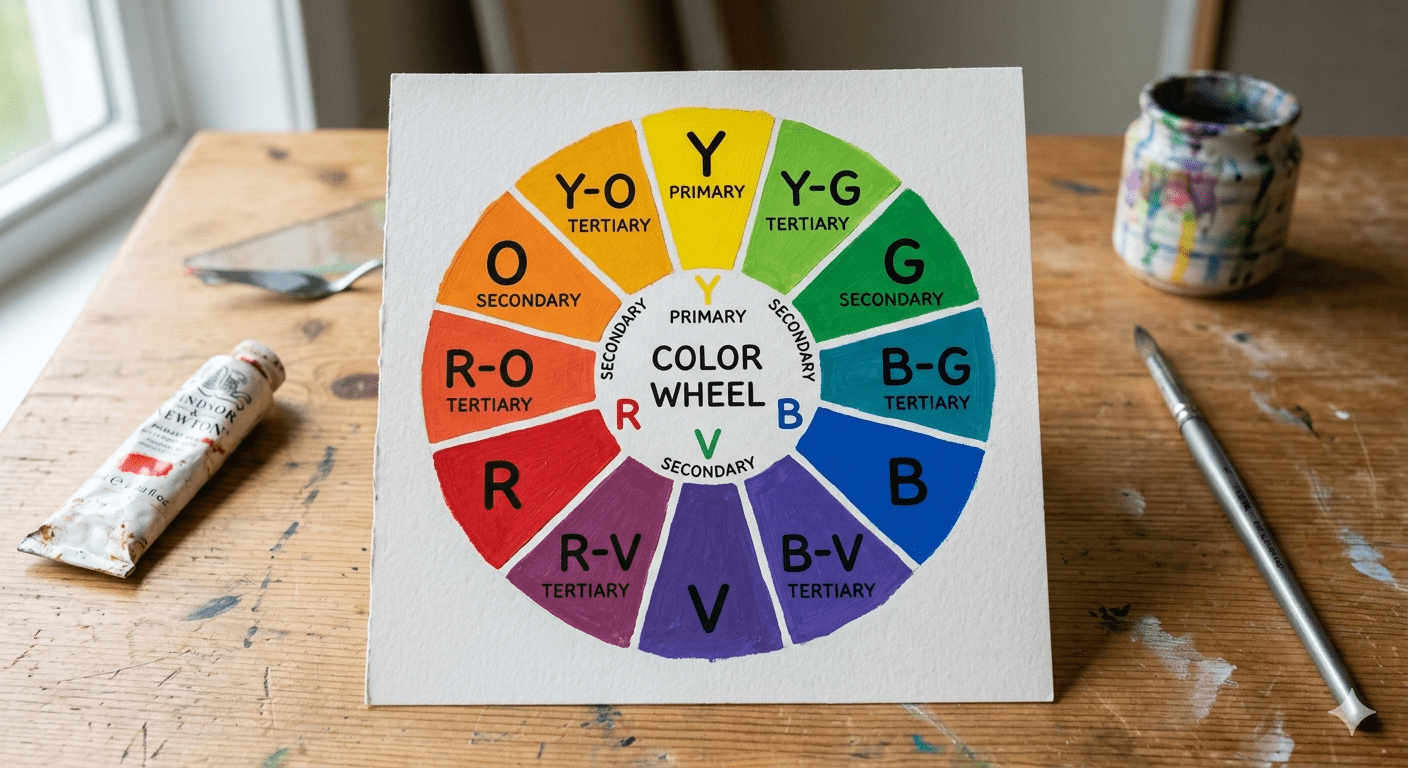
Let me paint you a picture. (Pun totally intended.) You’re scrolling Instagram and you stop on a post. You don’t really know why. It’s a product that’s similar to ten others you’ve seen and the offer isn’t wildly different. But something about it stopped the scroll. Nine times out of ten? It was the color.
June 17, 2026
Let me paint you a picture. (Pun totally intended.) You’re scrolling Instagram and you stop on a post. You don’t really know why. It’s a product that’s similar to ten others you’ve seen and the offer isn’t wildly different. But something about it stopped the scroll. Nine times out of ten? It was the color.
June 17, 2026
Let me paint you a picture. (Pun totally intended.) You’re scrolling Instagram and you stop on a post. You don’t really know why. It’s a product that’s similar to ten others you’ve seen and the offer isn’t wildly different. But something about it stopped the scroll. Nine times out of ten? It was the color.
June 17, 2026
Let me paint you a picture. (Pun totally intended.) You’re scrolling Instagram and you stop on a post. You don’t really know why. It’s a product that’s similar to ten others you’ve seen and the offer isn’t wildly different. But something about it stopped the scroll. Nine times out of ten? It was the color.
June 17, 2026
Let me paint you a picture. (Pun totally intended.) You’re scrolling Instagram and you stop on a post. You don’t really know why. It’s a product that’s similar to ten others you’ve seen and the offer isn’t wildly different. But something about it stopped the scroll. Nine times out of ten? It was the color.
June 17, 2026
Let me paint you a picture. (Pun totally intended.) You’re scrolling Instagram and you stop on a post. You don’t really know why. It’s a product that’s similar to ten others you’ve seen and the offer isn’t wildly different. But something about it stopped the scroll. Nine times out of ten? It was the color.
June 17, 2026
Let me paint you a picture. (Pun totally intended.) You’re scrolling Instagram and you stop on a post. You don’t really know why. It’s a product that’s similar to ten others you’ve seen and the offer isn’t wildly different. But something about it stopped the scroll. Nine times out of ten? It was the color.
June 17, 2026
Let me paint you a picture. (Pun totally intended.) You’re scrolling Instagram and you stop on a post. You don’t really know why. It’s a product that’s similar to ten others you’ve seen and the offer isn’t wildly different. But something about it stopped the scroll. Nine times out of ten? It was the color.
June 17, 2026
Let me paint you a picture. (Pun totally intended.) You’re scrolling Instagram and you stop on a post. You don’t really know why. It’s a product that’s similar to ten others you’ve seen and the offer isn’t wildly different. But something about it stopped the scroll. Nine times out of ten? It was the color.
June 17, 2026
Let me paint you a picture. (Pun totally intended.) You’re scrolling Instagram and you stop on a post. You don’t really know why. It’s a product that’s similar to ten others you’ve seen and the offer isn’t wildly different. But something about it stopped the scroll. Nine times out of ten? It was the color.


Let's Chat | Let's Chat | Let's Chat | Let's Chat | Let's Chat | Let's Chat | Let's Chat | Let's Chat | Let's Chat | Let's Chat | Let's Chat | Let's Chat | Let's Chat | Let's Chat | Let's Chat | Let's Chat | Let's Chat | Let's Chat | Let's Chat | Let's Chat |
Facebook
Instagram
TikTok